As with the ER migraine cocktail, your doctor will ultimately decide if these options are safe for you to use with your medical history and other medicines you may be taking. You’re having a hard time keeping any food down and staying hydrated from vomiting. These components are more effective when they’re used together than when they’re taken alone. The active ingredient in Benadryl, diphenhydramine, is sometimes used as part of a migraine cocktail to help treat extrapyramidal cocktail headache side effects from other treatments. These side effects may include involuntary muscle movements, restlessness, and tremor, among others.
Health News
- Genes that play a role in opioid, serotonin, and dopamine systems also influence alcohol sensitivity.
- As dehydration can cause headaches, staying hydrated when consuming alcohol is key.
- Steroids don’t fix the headache today but they decrease recurrence in some patients.
- However, high doses of these medications are potent and should only be taken under medical supervision.
Some doctors think Benadryl may also help treat migraines, but that has not been proven. The medications mentioned are typically administered in a medical setting, such as an emergency room or urgent care center. These are for individuals experiencing severe, prolonged migraine attacks. When over-the-counter (OTC) options fail, a migraine cocktail—a combination of medications—might provide relief. These medical Halfway house treatments, often administered in urgent care settings, target multiple migraine symptoms at once.
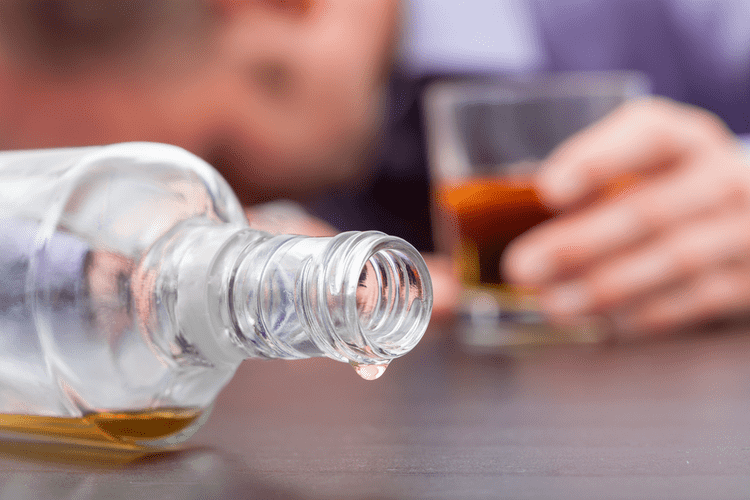
Why You Get a Cocktail Headache & How to Stop It
This seesaw pattern of blood flow can trigger a headache and adds to the vasodilation that alcohol causes on its own. When patients turn up in the ER for treatment of a severe migraine, a combination of the following drugs may be prepared and administered by a healthcare professional. Severe migraine attacks that can’t be eased by taking OTC migraine medications may require a migraine cocktail. A 2005 study examined the combined use of aspirin, acetaminophen, and caffeine.
Migraine cocktail: The ingredients
Chronic alcohol exposure can itself cause epigenetic modifications, altering the expression of genes involved in alcohol metabolism, including ALDH2. For individuals with ALDH2 deficiencies, these epigenetic changes can worsen the body’s ability to break down acetaldehyde, resulting in more frequent or severe symptoms over time. These factors can alter chromatin structure, the organization of DNA and proteins within the nucleus, reducing gene accessibility and decreasing enzyme production. It is worth noting that while dehydration is a significant contributor to headaches after small amounts of alcohol, it is not the only factor.
- This fluid loss from increased urination, coupled with sweating, means our body faces dehydration.
- Many different types of medications are routinely used to treat or prevent migraine symptoms.
- Then, they can provide several medications through an intravenous (IV) line.
Basically, the aspirin soothes inflammation while the acetaminophen reduces pain and the caffeine narrows your blood vessels, which helps chill out your throbbin’ noggin. Researchers say up to 18 percent of young people who wind up the ER are there because of a migraine. You may have heard the term “migraine cocktail” or “headache cocktail” and want to ask for it, but aren’t sure what to ask for.